Roy's World

Roy's World

Barry Gifford

Barry Gifford

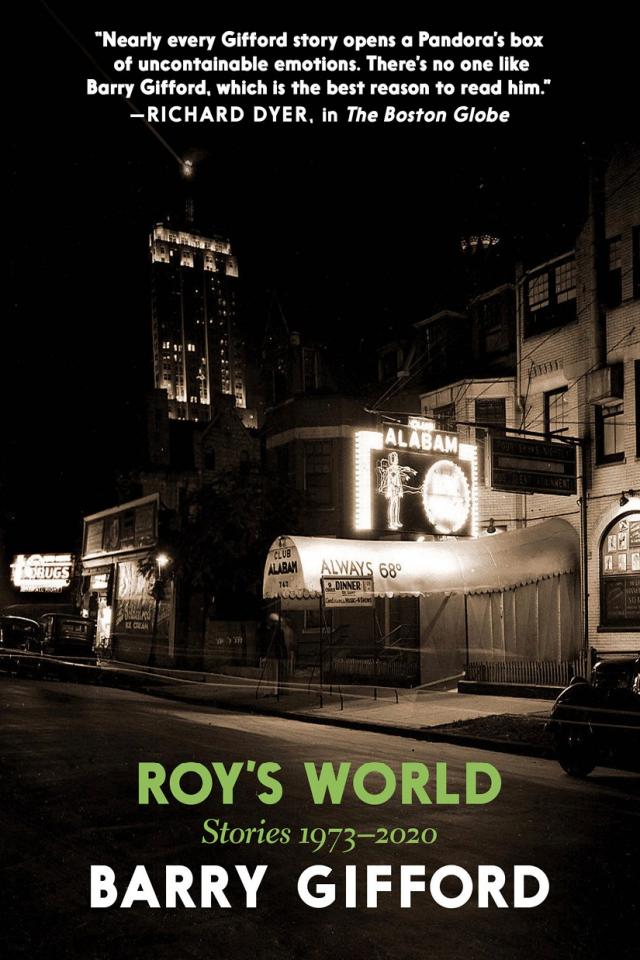
A tie-in to the new documentary, Roy's World, directed by Rob Christopher narrated by Lili Taylor, Matt Dillon and Willem Dafoe, these stories comprise one of Barry Gifford's most enduring works, his homage to the gritty Chicago landscape of his youthBarry Gifford has been writing the story of America in acclaimed novel after acclaimed novel for the last half-century. At the same time, he's been writing short stories, his "Roy stories," that show America from a different vantage point, a certain mix of innocence and worldliness. Reminiscent of Mark Twain's Huckleberry Finn and Ernest Hemingway's Nick Adams stories, Gifford's Roy stories amount to the coming-of-age novel he never wrote, and are one of his most important literary achievements—time-pieces that preserve the lost worlds of 1950s Chicago and the American South, the landscape of postwar America seen through the lens of a boy's steady gaze. The twists and tragedies of the adult world seem to...
Read online
  • 680
Port Tropique

Port Tropique

Barry Gifford

Barry Gifford

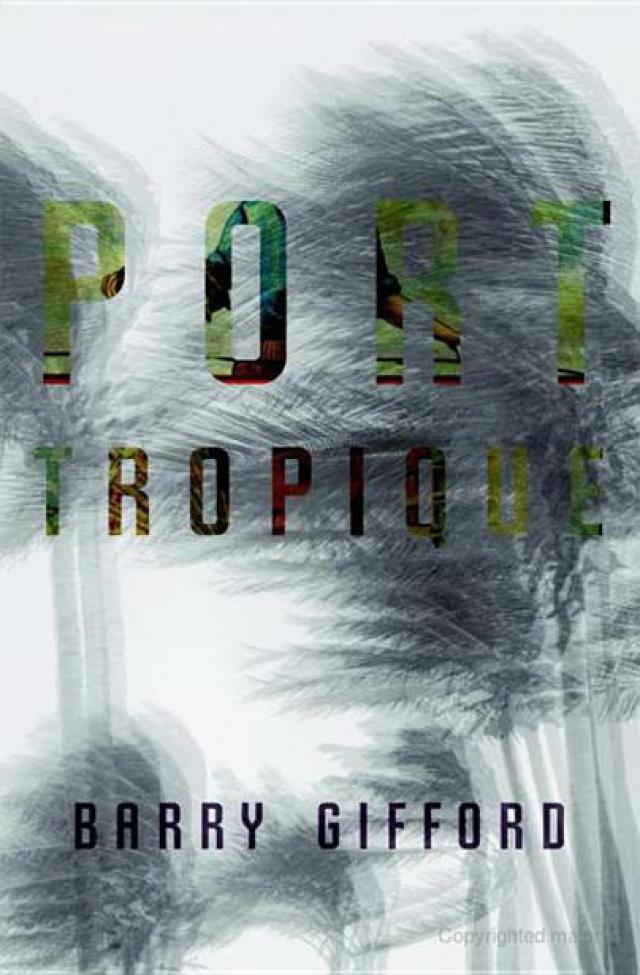
Revolution is simmering in the heat of the battered Central American town Port Tropique, where protagonist Franz Hall is an “intellectual Meursault in a paranoid Hemingway landscape, a self-conscious Conradian adventurer, a Lord Jim in the earliest stages of self-willed failure” (The New York Times). The ineffectual hero spends his days drinking and observing people in the zócalo and occasional nights involved in an ivory-smuggling operation threatened by impending government siege, yet always persistent are memories of Marie and what was lost. In this sinuous narrative of dislocation and remorse, Barry Gifford details Franz’s mundanity and the bizarre cast of characters swirling around him.The author of more than forty published works of fiction, nonfiction, and poetry, which have been translated into more than twenty-five languages, Barry Gifford is an American writer in the European tradition, and one of the few contemporary American writers whose characters are familiar to audiences around the world.“Gifford uses the charged story of . . . an apprentice smuggler as an occasion for his own literary and cinematic smuggling—from Conrad, Hemingway, Camus, John Hawkes, Howard Hawks, Welles and Ozu, among others—and to discover a new literary form.”—The New York Times Book Review“A poet’s nuanced prose runs through Port Tropique . . . a spellbinding story.”—The Washington Post“A strange, disturbing . . . intriguing . . . impressionist painting of a book.”—San Francisco Chronicle
Read online
  • 665
Southern Nights

Southern Nights

Barry Gifford

Barry Gifford

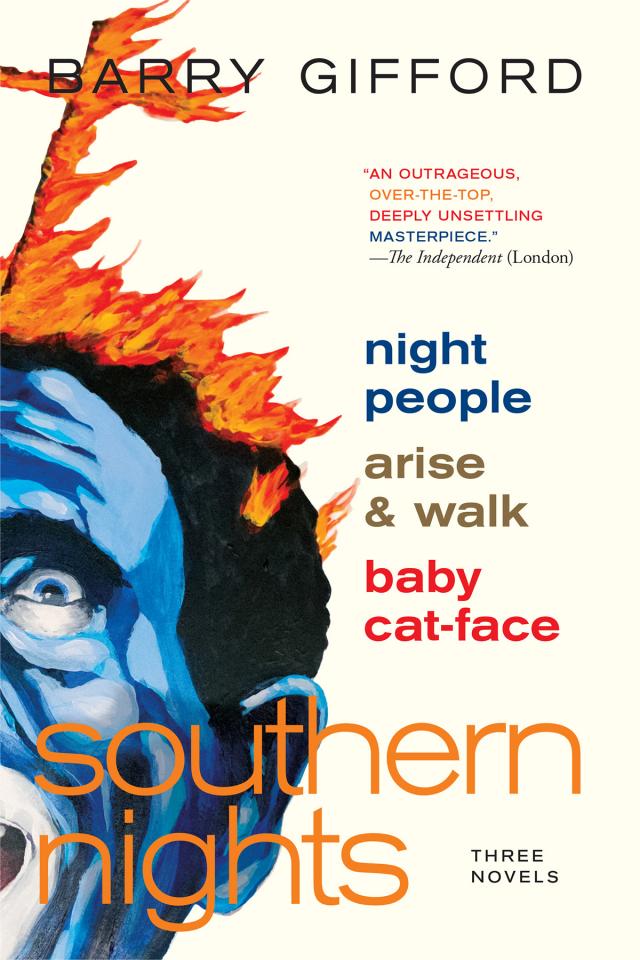
A collection of three of Gifford's wildest and weirdest Southern gothic novelsBarry Gifford's three Southern Gothic novels, Night People, Arise and Walk, and Baby Cat-Face, may be among the weirdest and best of Gifford's novels for their sheer velocity—the copious, raw violence; the invented religions and gods that make people do things; and how the horrors somehow cohabit—affably—with the genuine pathos and loveliness of the unforgettable characters that live in these books and the things they say so easily that we've never heard anyone say before. God in these Southern Nights is only another possibly deranged near relative, cast in the only nonspeaking part in this human drama. Everyone else talks and talks. And it's the dialogue in these novels that make them some of Gifford's best, reminders of the author's seemingly unlimited range and versatility, a comic-tragic genius for our time. As a character in Night People...
Read online
  • 546
Ghost Years

Ghost Years

Barry Gifford

Barry Gifford

A tribute to the author's mother Kitty, the gritty Chicago landscape of his youth, and the "ghost years, that time in your life you don't know won't never come again." Barry Gifford has been writing the story of America in acclaimed novel after acclaimed novel for the last half-century. Almost all of the stories in Ghost Years takes place in the 1950s, examining the lives of women in that period—the suppression, the lack of opportunities, the dependency on men. Following his story collection, Roy's World, which inspired the documentary directed by Rob Christopher, narrated by Lili Taylor, Matt Dillon and Willem Dafoe, these stories show a childhood in mid-century America filled with innocence, grief, joy and wonder in equal measure.
Read online
  • 542
American Falls: The Collected Short Stories

American Falls: The Collected Short Stories

Barry Gifford

Barry Gifford

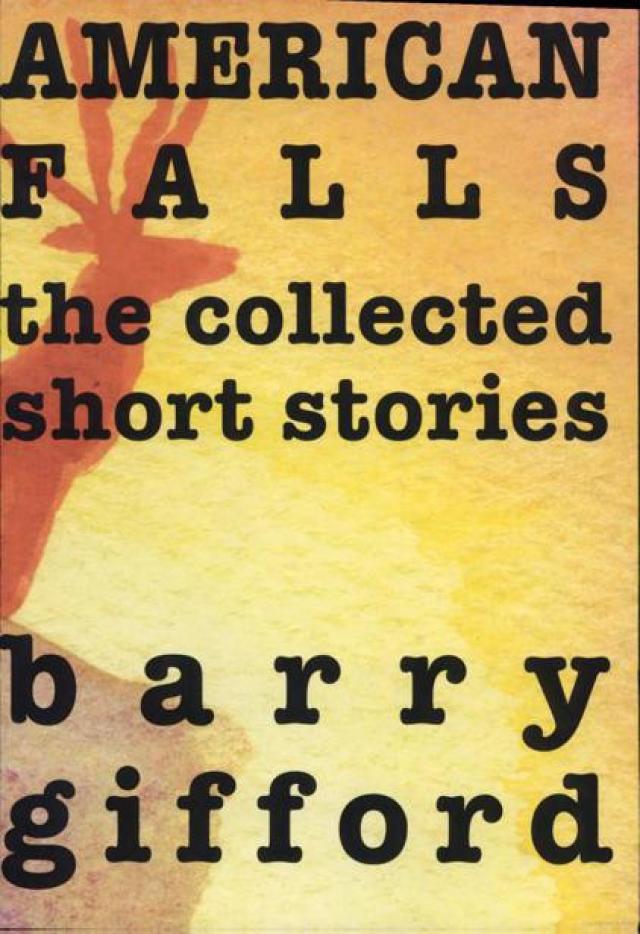
American Falls is the first major collection of short stories from Barry Gifford, master of the dark side of the American reality. These stories range widely in style and period, from the 1950s to the present, from absurdist exercises to romantic tales, from stories about childhood innocence to novellas of murder and revenge.In the title story, a Japanese-American motel operator chooses not give up a total stranger, a black man wanted for murder, when the police come searching for him. In "Room 584, The Starr Hotel," a man rants his outrage at an amorous couple in the room next door before he himself is arrested for having committed multiple murders. "The Unspoken" recounts the confessions of a man without a mouth who tells about the woman who loved him. And in this collection’s longest fiction, a novella called "The Lonely and the Lost," a small town’s talented and colorful inhabitants solve their problems as best they can until it comes time for the devil to reap what they have sown.Dark and light intermix in masterful chiaroscuro, dark becoming light, light revealing sinister or brooding complexity. No simple endings, only happy beginnings.From BooklistUnlike his novels, most of which fit solidly in the noir tradition and are crackling with kinetic energy, Gifford's short stories are reflective, often elegiac--small moments placed under a microscope. In "My Last Martini," for example, which is one of several stories here to have appeared in previous collections, the narrator listens quietly as an unknown woman on the next barstool tells the story of her family's legacy of sexual dysfunction. The flatness of the narrative style, while seeming to mask emotion, actually manages to heighten the reader's sense of turmoil below the surface. That turmoil takes center stage in a noirish novella, " The Lonely and the Lost," which has more in common with Gifford's novels, including Wild at Heart (1989), than it does with the other stories collected here. Whether passion and violence erupt in surrealistic bursts or roil silently under a placid surface, however, Gifford's insistently idiosyncratic fiction never fails to surprise, jolting us into recognizing the mundane in the midst of the surreal or forcing us to confront tragedy in an empty martini glass. Bill OttCopyright © American Library Association. All rights reservedAbout the AuthorThe author of more than forty published works of fiction, nonfiction, and poetry, which have been translated into twenty-eight languages, BARRY GIFFORD began as a poet and musician. His most recent prose works are Sailor & Lula: The Complete Novels, Sad Stories of the Death of Kings, and Memories from a Sinking Ship: A Novel. His most recent poetry collection is Imagining Paradise: New and Selected Poems (2012). Gifford lives in the San Francisco area and maintains a website at www.barrygifford.com.
Read online
  • 413
The Sinaloa Story

The Sinaloa Story

Barry Gifford

Barry Gifford

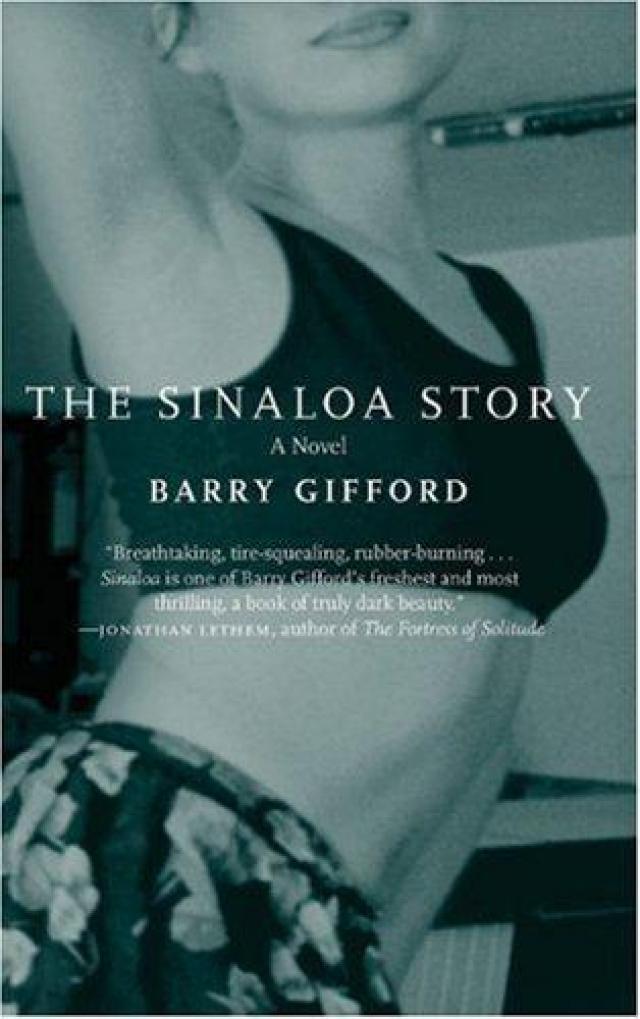
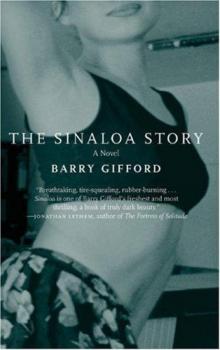
The Sinaloa Story tells of DelRay Mudo and Ava Varazo, two down-and-outs looking for a reasonable life and maybe even a little redemption in a corrupt and violent world. Ava is a Mexican prostitute, beautiful and no victim of circumstance. When DelRay falls in love with her at the drive-in whorehouse where she is the prize, she seizes the chance to break free. They take off for Sinaloa,Texas, the lone-dog state where "nothin’ good ever happens." The far-out border flunkies they meet — Thankful Priest, the one-eyed former football player; Indio Desacato, Ava’s pimp and a small-town racketeer; Arkadelphia Quantrill Smith, an octogenarian whose father marched with Shelby in the Iron Brigade; and many others — fill out the sinister and electrifying ride.Amazon.com ReviewEmploying a strange and bountiful cast of characters, The Sinaloa Story bobs and weaves as if challenging the reader to follow a spectacular, if often incoherent, narrative. This is no small task, considering the action rolls at a page-turning clip and reads like a noir film treatment in which characters are ushered in and out of the plot with the speed and finality of a high-caliber slug. The story line, such as it is, revolves around DelRay Mudo, a dim-witted mechanic who falls hard for Ava Varazo, a stunning and scheming prostitute who easily beguiles him into helping her rob her pimp of $500,000, part of which belongs to Mr. Nice, a notorious mob boss. When Ava quickly dumps DelRay (and locks him in the trunk of his car) then splits with the cash, this development comes as no surprise. When she heads to Mexico to join a guerilla band known as the Countless Raindrops, however, an unforeseen and intriguing twist begins. This twist abruptly unravels into a bizarre tangle of events which are connected to previous episodes by only the thinnest of threads. The result is a darkly exhilarating and scattershot ride in which kidnapping, murder, amnesia, and prophetic dreams abound, as do colorful personalities with memorable names such as Cobra Box, Ruby Ponds Cure, Thankful Priest, and Cairo Fly.To say the book is nonlinear is putting it mildly; the only thing some of these vignettes have in common is that they happen to be contained within the same book. But Gifford has a knack for creating electrifying, grainy snapshots of subterranean life, pulling defining moments into vivid focus while leaving the background mired in shadow and mystery. The characters are not deep, but they are rich, and even those who appear for only a paragraph or two are memorable, adding much to the setting, if not the plot.As might be expected of one who has written screenplays for (Wild at Heart) and with (Lost Highway) David Lynch, Barry Gifford paints hypnotic dreamscapes in which the atmosphere is the driving force behind the narrative. Those searching for a seamless, let alone believable, story will be left shaking their heads, but those willing to suspend reality and embrace even the most outlandish coincidences and tattered loose ends will enjoy the staccato dialogue, gritty detail, and oddly appealing cast in this eerie joy ride along the dark fringes of America. --Shawn CarkonenFrom Publishers WeeklyOnce again, Gifford (Baby Cat-Face, 1995, etc.) depicts protagonists trying to make a brighter life for themselves while betraying lovers and staying one step ahead of homicidal maniacs. When former motorcycle mechanic DelRay Mudo joins up with Ava Varazo, a beautiful but dangerous prostitute, she convinces him to "do something meaningful with his life." In this case, something meaningful involves stealing half a million dollars from Indio Desacato, owner of a thriving bordello in the Texas border town of Sinaloa. Standing in their way is Indio's 380-pound bodyguard, Thankful Priest, a former football player who once gouged out his own eyeball while high on various narcotics. What Ava really wants is to return to her Mexican home of La Villania ("the despicable act") and fund a peasant's revolution, a plan that doesn't necessarily include DelRay. After the showdown at Indio's, the narrative switches to Leander Rhodes, an ex-Marine, and his young wife, Cobra Box, who travel to La Villania to join the revolution. Also in the mix are a white supremacist, a boarding school-educated Italian hooker and a cross-dressing 14-year-old piano player. Like Sailor and Lula of Gifford's previous novels (including Wild at Heart), Delray and Ava can't avoid the violence that surrounds them (nor do they always want to), but, in Gifford's hands, their troubles are elevated to a gritty, visceral poetry of the marginalized. Copyright 1998 Reed Business Information, Inc.
Read online
  • 408
Do the Blind Dream?: New Novellas and Stories

Do the Blind Dream?: New Novellas and Stories

Barry Gifford

Barry Gifford

Do the Blind Dream? shows Gifford at the height of his powers, navigating with ease the new, more fragmented imaginative landscape of morning-after America. Gifford seems to have anticipated themes that suddenly are recognizable everywhere: the fragility of identity; the power of coincidence; the illusion of a secure tomorrow.In contrast to his often nightmarish, satirical, groundbreaking novels of the 1990s—Wild at Heart, Perdita Durango, and Night People among them—Do the Blind Dream? continues in the tender and deeply introspective vein revealed in two recent works: Gifford’s memoir The Phantom Father (named a New York Times Notable Book), and the award-winning novella Wyoming. From the intimate, stylistically daring examination of the darkest secrets in the history of an Italian family, to the terrible but often beautiful fears and discoveries of childhood, to the sardonic, desperate confusion of adult life, Do the Blind Dream? reveals an exceptionally versatile, highly tuned sensibility. Here is further evidence of what Alan Ryan wrote in the Atlantic Journal Constitution: "Gifford is one of those brave writers who go their own way, and challenge readers to follow."Almost a quarter of a century ago, Armistead Maupin wrote that "Barry Gifford is all the proof the world will ever need that a writer who listens with his heart is capable of telling anyone’s story." Yet only now does Gifford’s sense of the American psyche converge with our own.About the AuthorThe author of more than forty published works of fiction, nonfiction, and poetry, which have been translated into twenty-eight languages, BARRY GIFFORD began as a poet and musician. His most recent prose works are Sailor & Lula: The Complete Novels, Sad Stories of the Death of Kings, and Memories from a Sinking Ship: A Novel. His most recent poetry collection is Imagining Paradise: New and Selected Poems (2012). Gifford lives in the San Francisco area and maintains a website at www.barrygifford.com.
Read online
  • 407
Night People

Night People

Barry Gifford

Barry Gifford

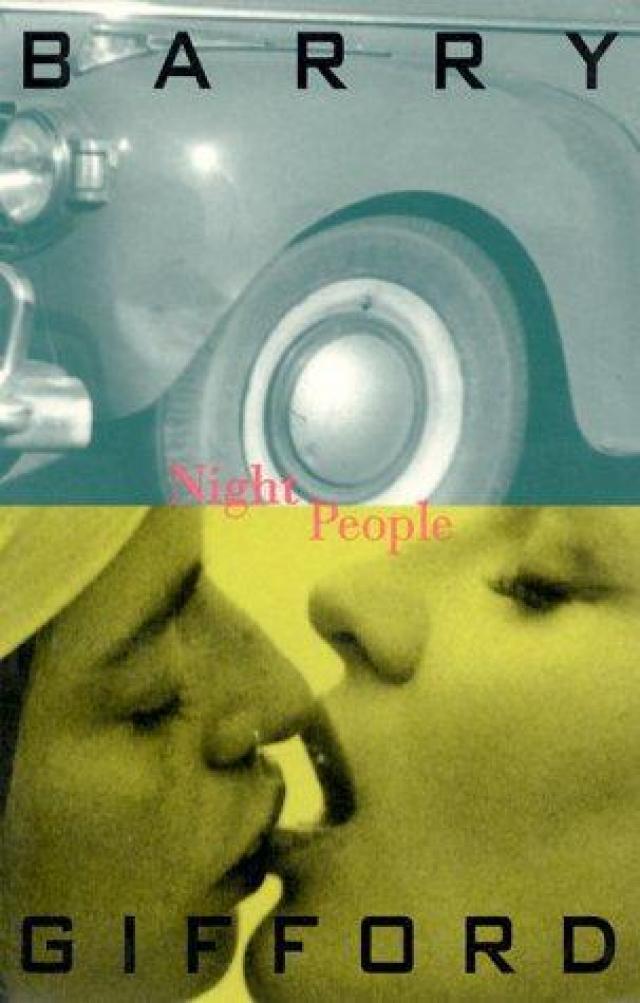
“If my people ever met Gifford’s, they’d get along great.” —ELMORE LEONARDBarry Gifford, the author of Wild at Heart and Sailor’s Holiday, writes of what Tennessee Williams called “something wild in the country/that only the night people know.” In Night People, America’s most “irresistibly gritty” (Washington Post) storyteller draws his characters from the shadows of the Deep South, where they confront rape, religious fanaticism, sexual confusion, racial discrimination, AIDS, child abuse, poverty—all the chaotic horror of the United States at the end of the twentieth century.“Strange and original... gory and deviant... stylishly and humorously told.” —JON ELSEN, The New York Times“A careening, half-hilarious, half-harrowing ride through the American South.” —MICHAEL HAINEY, Details“Barry Gifford is a voice chuckling in the wilderness. You read him gleefully, with a terrified grin, fearful of becoming demented yourself.” —PHILIP KAUFMAN, filmmaker, Henry and June“Gifford’s night people are pure American... pure in their madness... in their evil... and to read about... pure pleasure.” —ALAN CHEUSE, “All Things Considered,” National Public Radio
Read online
  • 373
Black Sun Rising / La Corazonada

Black Sun Rising / La Corazonada

Barry Gifford

Barry Gifford

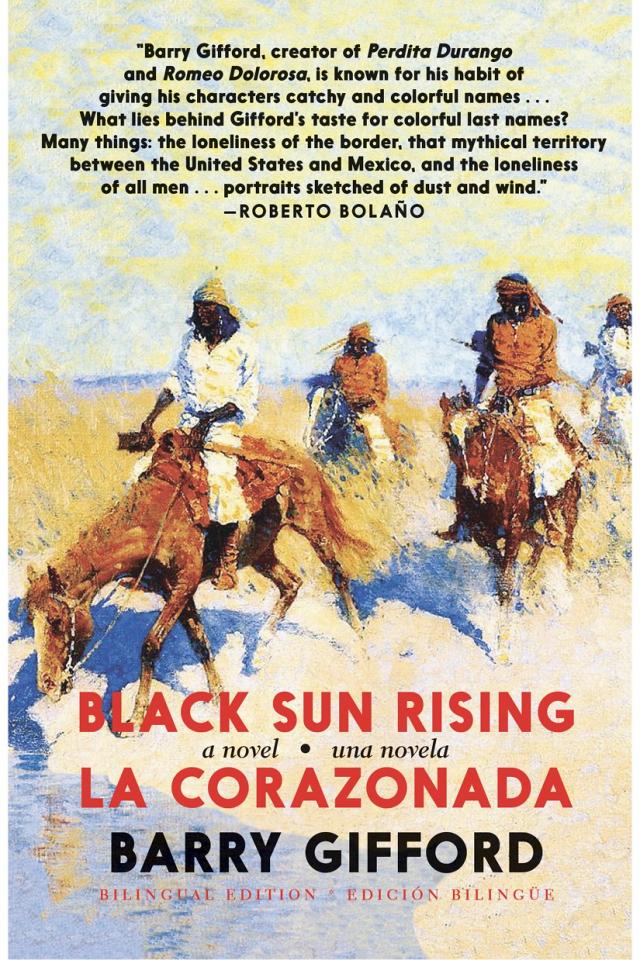
The first Western noir by Barry Gifford, "a killer fuckin' writer." (David Lynch)Based on historical events in 1851, this Western noir novella traces the struggle of the first integrated Native American tribe to establish themselves on the North American continent. After escaping the Oklahoma relocation camps they had been placed in following their forced evacuation from Florida, the Seminole Indians banded with fugitive slaves from the American South to fulfill the vision of their leader, Coyote, to establish their land in Mexico's Nacimiento. The Mexican government allowed them initially to settle in Mexico near the Texas-Mexico border, in exchange for guarding nearby villages from bands of raiding Comanches and Apaches.      On the Texas side of the border, a romance begins between Teresa, daughter of former Texas Ranger and slavehunter Cass Dupuy, and Sunny, son of the great Seminole chief Osceola. Teresa's father, a violent...
Read online
  • 345
Baby Cat-Face

Baby Cat-Face

Barry Gifford

Barry Gifford

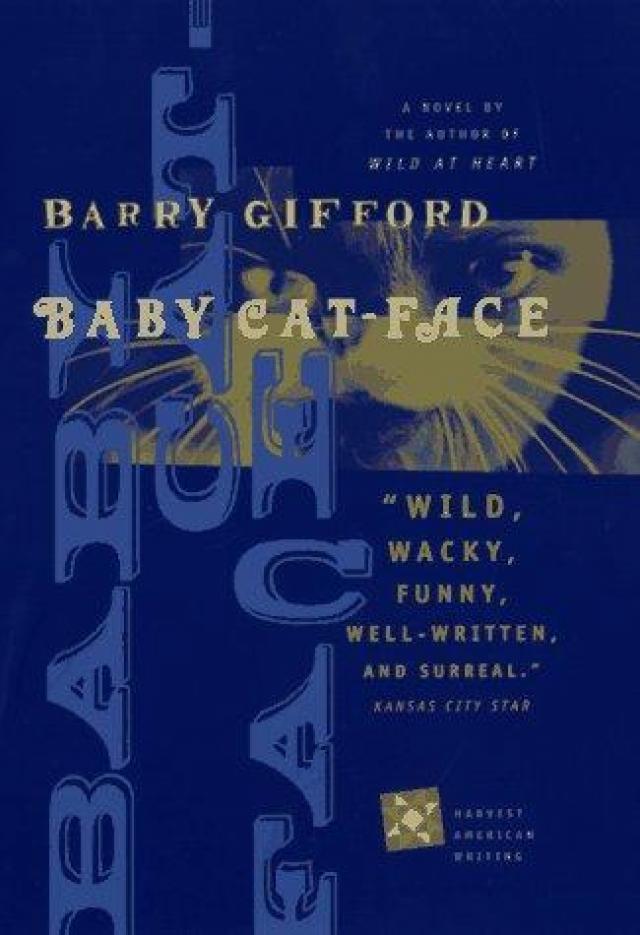
A NOVEL OF MORAL CHAOS AT THE END OF THE TWENTIETH CENTURYCalled Baby Cat-Face because of her "feline green eyes and tiny snub nose," Esquerita Reyna lives in the dark world of modern New Orleans. Surrounded by bizarre characters, whose lives are a chain reaction of horrific yet absurdly comic events, Baby struggles Candide-like to make her way in an inexplicably brutal world.Disillusioned with the violence around her, she joins a religious cult called the Temple of the Few Washed Pure by Her Blood. After a kinky indiscretion with the obese Waldo Orchid, she becomes pregnant with a child who would be dubbed a Second Coming -- of sorts. Even Wild at Heart's perpetually drifting lovebirds, Sailor and Lula, have a wacky cameo. "That none of this seems more than slightly odd in context," noted one critic, "is testimony to the seductive power of Gifford's virtuoso wordplay.""[Gifford's] singular genius is a kind of everyday surreality ... Baby Cat-Face inhabits a New Orleans so feverishly peculiar that Anne Rice would feel at ease there." - Washington Post"Mr. Gifford's characters face the ridiculousness of life with existential gusto -- and in this, at least, there is perfect sense." - The New York Times Book Review From Publishers WeeklyAfter watching her dancing partner get his neck fatally slashed by a jealous rival, young New Orleans creole Esquerita Reyna, aka "Baby Cat-Face," heads out of the big city for an aunt's place in Corinth, N.C. Meanwhile, Sailor and Lula (the protagonists of Wild at Heart and five other Gifford novels) are on the way to to Corinth, planning on some fun and games, but instead they wind up rescuing Baby from trouble. Wackiness abounds: back in New Orleans, Baby joins Mother Bizco's Temple of the Few Washed Pure by Her Blood, a religious sect headed by a former prostitute, who, when Baby gets pregnant, jumps to the conclusion that Baby's is an immaculate conception. Indeed, Baby gives birth to an avenging youngster named Angel de la Cruz, who quotes scripture at age one, can float in the air, winds up sharing a jail cell with Sailor and fathers a child of his own. Gifford's universe is unpredictable. His characters turn on a dime, one minute asking why evil exists in the world and the next minute committing heinous acts. And Baby, the usual victim, recovers with the ease of a cartoon figure straightening itself after being flattened by a two-ton anvil. It's often great fun. But as Gifford takes his brand of trash-Americana through three generations of Christian fundamentalism and conspiracy theory, he remains disinterested in anything resembling sustained drama or characterization, content to rely on momentum, funky phrasings and the idiosyncrasies of his hyperthyroid world.From Library JournalIf you're looking for a fin-de-siecle car chase through the backwaters of fundamentalist Christianity, and rape and violence served up with a New Orleans accent, then you've come to the right place. Messiahs and malcontents share the stage as Esquerita Reyna, better known as Baby Cat-Face, leaves town after witnessing a murder and meets soul singer Sugargirl Crooks, whose influence guides her to Mother Bizco's Temple of the Few Washed Pure by Her Blood. There she becomes unknowingly wrapped up in an elaborate plan to give birth to a female messiah who will lead a feminist revolution in the 21st century (one smells a sequel). In between these episodes, other vectors appear, whose meaning is only barely apparent at the tale's end. Sailor and Lula, whom Gifford readers will recognize from Wild at Heart and Sailor's Holiday, make a brief, and ultimately meaningless, appearance. Fans of Gifford's slapdash style, replete with quick cuts and untied loose ends, may appreciate this latest effort. Others might pass. Recommended where Gifford is popular.
Read online
  • 300
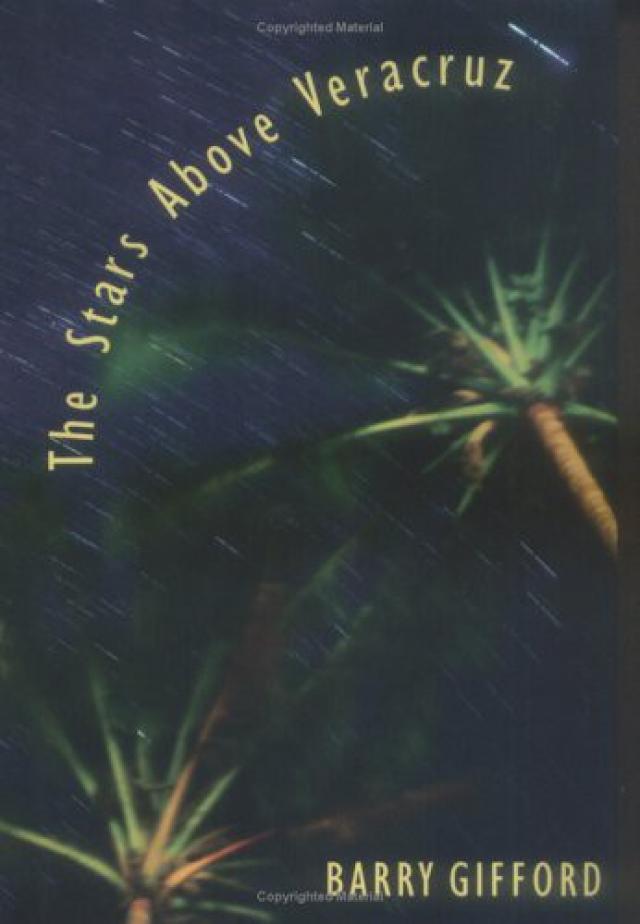
The Stars Above Veracruz

The Stars Above Veracruz

Barry Gifford

Barry Gifford

A high-wire artist named Ropedancer is our guide: his tale opens and closes this book of linked short fictions that take place in locales throughout the world. Gifford’s lyrical stories are often confessional, involving crimes large and small and narrators who, win or lose in their battles, never emerge unscathed. There is little triumphing here; victory lies in the completion of the journey, the survival of the high-wire artist who, step by step, follows his lifeline with utter concentration.At once tragic and humorous, full of pathos, and reminiscent of Thornton Wilder’s humanist classic The Bridge of San Luis Rey, The Stars Above Veracruz is Gifford's most significant work since Wild at Heart.As author Barry Gifford was writing these pieces, he gradually came to realize that what he was creating was a geographical fiction, or a geography of fictions. As Gifford explains, “Everybody has a story, no matter where they are in the world, and I conceived the device of The Ropedancer when I was in Veracruz, Mexico, at a hotel much like the Hotel Los Regalos de Dios, where the former funambulist, whom I call The Ropedancer, took up residence following the demise of the Dancing Ciegas, who plunged to their deaths from a high wire.”Many of these stories are tragic, some humorous, but all told by individuals in the confessional mode which is often the posture assumed by persons adrift in a foreign land and who find themselves not uncomfortably in conversation late at night with a stranger.“Short, weird, and wonderful. . . . Gifford writes with confidence and beauty and an occasional touch of the bizarre. . . . Every stroke is clear and gripping.”—Esquire“An artful ride down dangerous roads . . . it's a joy following [Gifford] along.”—Kirkus Reviews“Move over Hemingway (and put down the damn gun)! [The Stars above Veracruz] just knocked my socks off.”—San Francisco Chronicle Sunday Magazine“Few collections of stories open with such breathtaking charm as Barry Gifford’s latest . . . The Stars Above Veracruz . . . is a labyrinthine descent into magical noir . . . sparklingly poetic . . . a gorgeous, high-wire arabesque . . . every one evidence of a powerful and playful imagination.”–C.M. Mayo, Los Angeles Times“In his masterful new collection . . . Gifford’s great talent captures defining moments with the casual grace of anecdote. Each of these 16 stunning tales makes the anecdotal monumental.”–Jonathon Keats, San Francisco MagazineFrom Publishers WeeklyGifford saw his novel Wild at Heart become the David Lynch film, and he co-wrote the screenplay for Lost Highway; this series of snappy vignettes has a cinematic quality, more like a treatment for an episodic film (à la Jim Jarmusch's Night on Earth) than a collection of stories. Gifford repeatedly conjures the hard-luck story and the noirish setting as he points his lens from South America to New Zealand. "After Hours at La Chinita," set in a tacky Spanish-style motel in Los Angeles circa 1963, stages the shooting of a prostitute's abusive customer by God-fearing proprietress Vermillion Chaney; 20 years later, each of the players in the drama tells a version of the sad, late slide of the rest of their lives. "Almost Oriental" involves tortuous travel and romance inside a still-shuttered, deeply suspicious Romania by a Stanford University academic on the trail of Bukovina-born Jewish writer Rudolph "Buddy" Traum. Another long piece, "Murder at the Swordfish Club," concerns an elaborate murder mystery surrounding the death of a fisherman in the New Zealand coastal town of Russell. The prolific Gifford has produced multiple fully realized novels (such as 2004's Wyoming); this book, while vivid, feels like a break.From BooklistThe prolific Gifford, whose novel Wild at Heart was adapted into the award-winning 1990 David Lynch film, here renders visceral vignettes that often seem better suited to the big screen than to print. A tightrope walker introduces the collection, whose diverse locales include New Zealand, Honduras, and France. There's a one-legged man who hangs himself over an unrequited, albeit incestuous, love: "Even had he the use of both legs, they would not have saved him. Instead of walking across the rope he finished by dancing at the end of it." In the masterful "After Hours at La Chinita," a prostitute, a celebrated supper--club singer, and a Bible-thumping motel clerk recount details of a deadly shootout. In the title tale, a man sips beer in a Mexico City cantina once frequented by bullfighters as he reminisces about a Eurasian girlfriend with "dove-shaped" hands and heady perfume. Although Gifford's short stories are endlessly nervy (there's a brash, bearded lady and a lingerie salesman who seduces women with his wares), his avid fans may find themselves longing for more substantive fare.
Read online
  • 283
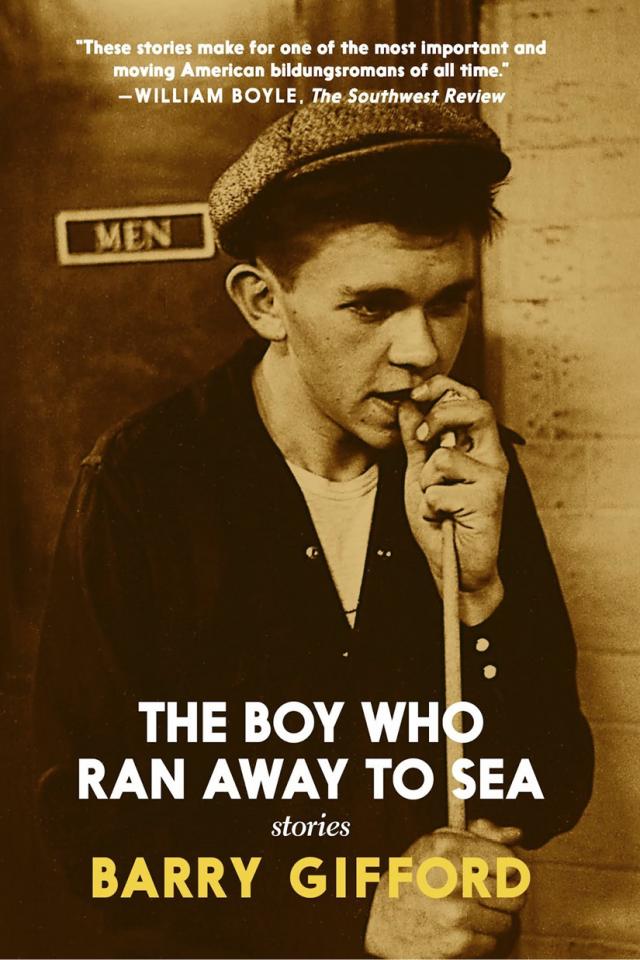
The Boy Who Ran Away to Sea

The Boy Who Ran Away to Sea

Barry Gifford

Barry Gifford

A childhood in the 1950s and ‘60s among grifters, show girls, and mob enforcers who embraced the boy and made him who he is.“These stories make for one of the most important and moving American bildungsromans of all time.” —William Boyle, The Southwest Review Roy tells it the way he sees it, shuttled between Chicago to Key West and Tampa, Havana and Jackson MS, usually with his mother Kitty, often in the company of lip-sticked women and fast men. Roy is the muse of Gifford’s hardboiled style, a precocious child, watching the grown-ups try hard to save themselves, only to screw up again and again. He takes it all in, every waft of perfume and cigar smoke, every missed opportunity to do the right thing. And then there are the good things too. A fishing trip with Uncle Buck, a mother’s love, advice from Rudy, Roy’s father: “Roy means king. Be the king of your own country....
Read online
  • 254
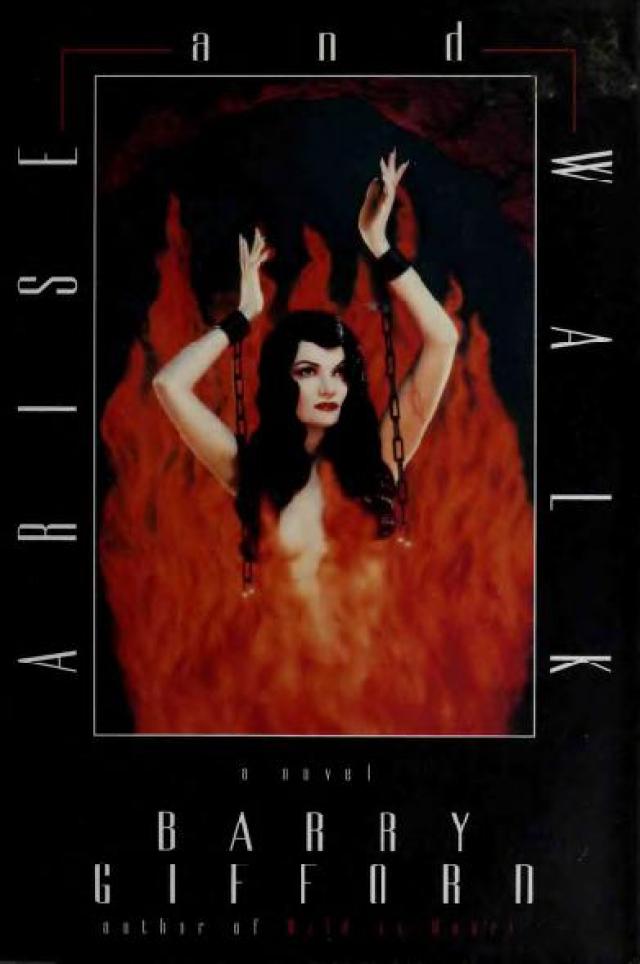
Arise and Walk

Arise and Walk

Barry Gifford

Barry Gifford

Set in New Orleans at the turn of the 21st century, this continuation of the highly acclaimed Night People provides a stark, eccentric, and wholly original plunge into the dark and grimy world of just revenge, as it vividly tracks the lives of individuals intent on making a profound difference in the world before they are willingly or forcibly removed from it."[Arise and Walk is] more colorful than a car wreck and as absurdly comprehensible." —David Lynch"Barry Gifford is laconic and intense, apocalyptic and hilarious: always, however, wonderfully readable. With his new book Arise and Walk, I am once again seduced by his Gulf Coast Louisianans, true vessels for our dreams and nightmares, at once real and marvelous." —Jose Yglesias"Gifford nails it down—his books are more fun than nearly any around. If my people ever met Gifford's they'd get along great." —Elmore Leonard"Arise and Walk is Barry Gifford's funniest and fastest yet. Surely this book should place him in the front ranks of contemporary comic novelists." —Al Young"Barry Gifford is a stylist in the manner of Tom McGuane and Joy Williams, with the heart of Raymond Carver. Gifford's sense of life takes him back to life itself as it is lived now."—Jim Harrison"Gifford’s night people are a strange mix of utter weirdness and bedrock humanity, rampant eccentricity and absolute individuality. Some things in life are beyond analysis, and Barry Gifford is one of them." —Booklist"(Barry Gifford's) consummate skills give us reflecting images and themes in quick, bright strokes that linger on the retina... The talk comes from the hot dark of the innards, reminding us that the world is ’wild at heart,' and that we fear and love it that way." —Katherine Dunn
Read online
  • 238
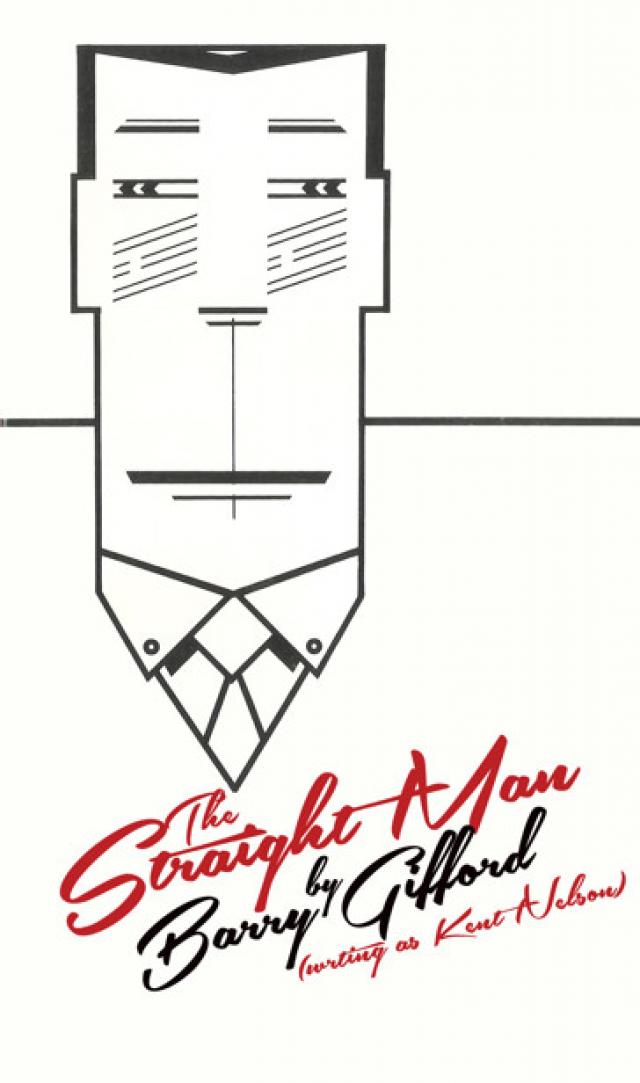
The Straight Man

The Straight Man

Barry Gifford

Barry Gifford

"Start talking, or we cut your fingers off, one by one.”The Straight Man told them the truth. They gave him a month to come up with the money. He’d been burned, but The Mob didn’t care. He owed them ten grand. Where would he get it?He sat down to think.Burglary was a field open to almost any fool, the prisons were full of them.Kidnapping would bring in tons of federal smoke. The idea of winning money gambling had built a lot of casinos.International gun running was controlled by the Spanish people and the government.Loan sharking was done legally by the banks for a mortgage on your soul, and illegally by The Mob for a mortgage on your life.Cattle rustling was open to everyone, some restaurants would go under without it.Hijacking was out ... it takes a well-organized gang for that, The best shot would be a one-time stunt that hadn’t been pulled before, like the first sky-jacker. He’d thought it out and been the only one to ever get away clean. America, The Straight Man decided, is a nation of specialists.
Read online
  • 110
Writers

Writers

Barry Gifford

Barry Gifford

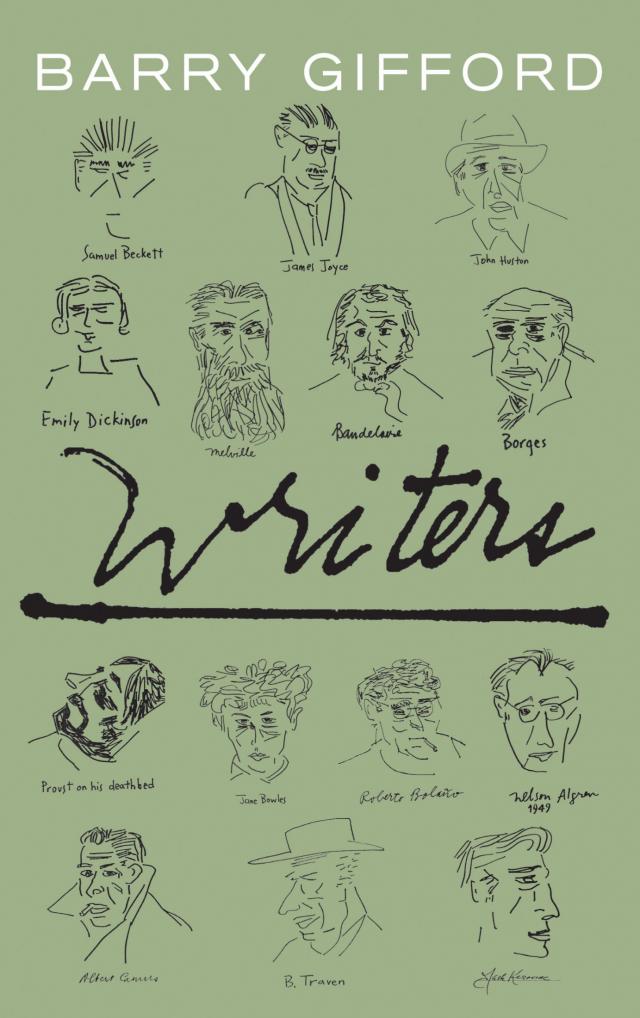
In Writers, great American storyteller Barry Gifford paints portraits of famous writers caught in imaginary vulnerable moments in their lives. In prose that is funny, grotesque, and a touch brutal, Gifford shows these writers at their most human, which is to say at their worst: they are liars, frauds, lousy lovers, and drunks. This is a world in which Emily Dickinson remains an unpublished poet, Ernest Hemingway drunkenly sets explosive trip wires outside his home in Havana, Marcel Proust implores the angel of death as a delirious Arthur Rimbaud lies dying in a hospital bed, and Albert Camus converses with a young prostitute while staring at himself in the mirror of a New York City hotel room.In Gifford's house of mirrors, we are offered a unique perspective on this group of literary greats. We see their obsessions loom large, and none more than a shared needling preoccupation with mortality. And yet these stories, which are meant to be performed as plays, are also...
Read online
  • 72
183